Examinations & Competitions
This page provides resources for music teachers, including the RCM curriculum, music festival information, and other important updates from recognized music organizations to help you stay informed and prepared.
Visit their official websites for the most current syllabi, event details, and registration information.


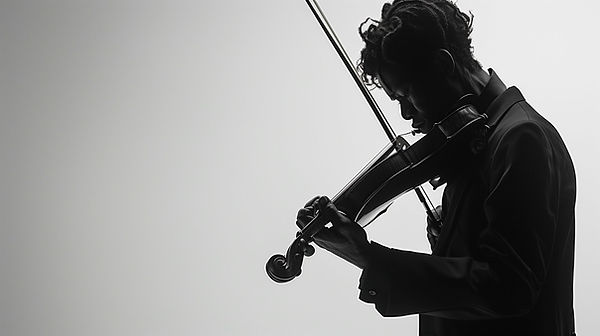
"How can I tell if a
piano teacher is really good?"
Many parents and students often ask:
"How can I tell if a piano teacher is really good?"
The truth is, it’s not about how well they can play —
it’s about whether they can teach you to play well and understand music.
Here’s a simple way to tell if a piano teacher is good, even if you’re not a music professional.
â‘ Can they explain, or just demonstrate?
​
Being able to play ≠ being able to teach.
Being able to show ≠ being able to help you learn.
A great piano teacher can turn complex techniques and music theory into simple, clear steps.
They can explain:
-
Why you do it this way
-
What’s going wrong
-
What to adjust next
If all they say is “Just follow me” and stop there — that’s not teaching, that’s shortcutting.
â‘¡ Can they find the root of your problem?
You’ve probably heard:
-
“Keep your hand rounded!”
-
“Relax your wrist!”
-
“Don’t cross your legs!”
These are just symptoms.
A good teacher looks for the cause, for example:
-
Pressing the wrong key due to insufficient thumb mobility
-
Crossing the legs because the bench height is incorrect
-
Producing a harsh tone caused by tension in the wrist
-
Misinterpreting rhythms or harmonies due to limited music theory knowledge
A teacher who can find the root problem is the one who truly helps you improve.
â‘¢ Can they adjust to your needs?
A teacher who can’t really teach sticks to just one way of doing things.
A good teacher, however, knows many ways to explain and can adjust their approach to fit each student’s needs, habits, and challenges.
This is especially important for adult beginners:
Everyone has different tension points, fears, and physical habits.
Only a teacher who adapts their methods, both technically and musically, is truly experienced.
​
â‘£ Do students actually become more relaxed and musical?
Playing piano isn’t about practicing longer or harder.
A great teacher helps students:
-
Develop efficient technique and practise effectively
-
Listen attentively and focusing on what truly matters
-
Gain confidence and control over their playing
-
Communicate emotion and intention through their performance
You should feel your playing becoming easier and more effortless.
Understanding the music and reflecting on your own playing is the key to improvement.
⑤ Can they help you understand what you’re doing?
A good teacher doesn’t just tell you what to do.
They help you understand:
-
Why each action or technique matters
-
What you are doing incorrectly
-
What to focus on next
-
How music theory supports your technique and expression
A true teacher helps students become their own teachers.
​
â‘¥ Student progress matters more than teacher talk
The real measure of teaching isn’t what the teacher says — it’s how the student plays and understands music.
​
If a student stays the same for months or years -
problems never improve,
playing feels mechanical,
and practice becomes exhausting…
then the teacher may just be accompanying, not really teaching.
Conclusion:
A Pianist can play; a Teacher can teach.
Don’t judge a teacher by:
-
How well they play
-
How many diplomas they have
-
How impressive they look
Focus on whether they can help you:
-
Truly improve
-
Play more expressively and musically
-
Feel comfortable and relaxed
-
Understand the music and your own playing​
​​
Many people are technically strong, but only those who can make others stronger, are the true Teachers.
